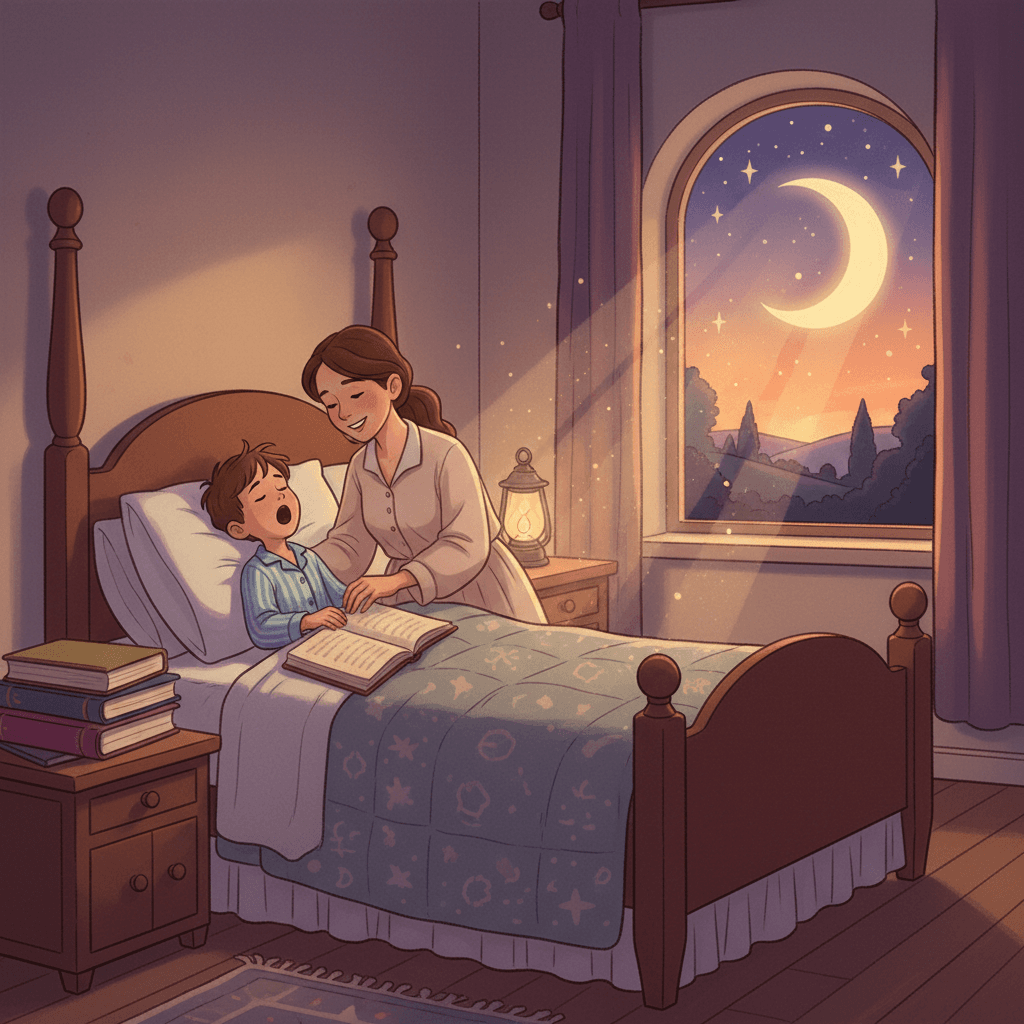
The 12-Hour Reading Rule: How Early Reading Shapes Your Child's Brain for Life
Your seven-year-old asks for "just one more chapter" at bedtime. You glance at the clock—it's already 8:15 PM. Do you close the book or keep reading?
According to a landmark study from the University of Cambridge, that extra chapter matters more than you might think. Researchers found that children who read for pleasure early in life showed measurably larger brain regions, performed better on cognitive tests, and reported fewer symptoms of depression and anxiety when they reached adolescence. The study tracked over 10,000 young people—and the results should change how every parent thinks about bedtime stories.
What the Cambridge Study Actually Found
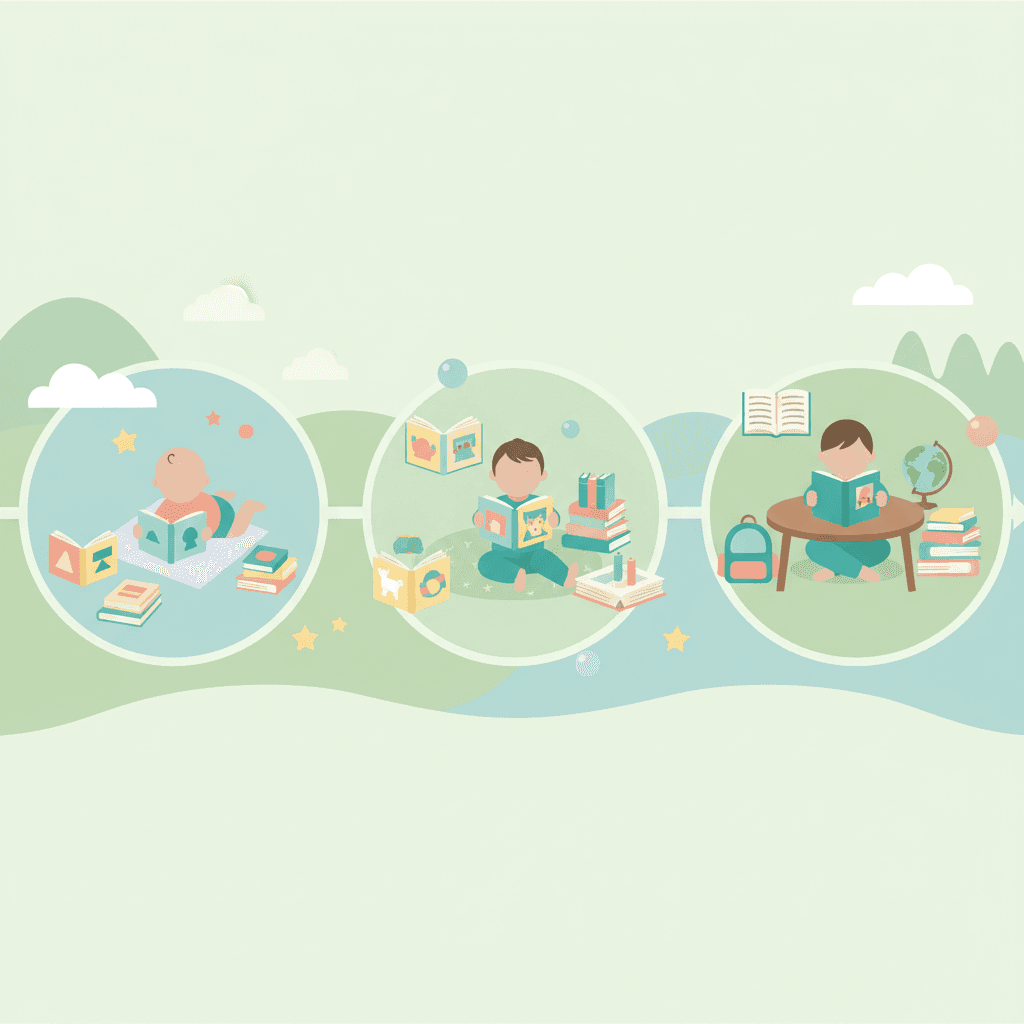
Professor Barbara Sahakian and her team at Cambridge, along with researchers from Warwick and Fudan University, analyzed data from the Adolescent Brain and Cognitive Development (ABCD) cohort in the United States. They compared young people who began reading for pleasure between ages two and nine against those who started later or never developed the habit.
The findings were striking:
Cognitive Performance: Early readers scored higher on tests measuring verbal learning, memory, speech development, and academic achievement.
Mental Health: These children showed fewer signs of stress and depression. Parents and teachers reported better attention spans and fewer behavioral problems like aggression and rule-breaking.
Brain Structure: MRI scans revealed that early readers had moderately larger total brain areas and volumes—particularly in regions critical for cognitive function and emotional regulation.
Screen Time: Early readers naturally spent less time on TVs, smartphones, and tablets during adolescence. They also slept longer.
"We found significant evidence that reading is linked to important developmental factors in children, improving their cognition, mental health, and brain structure, which are cornerstones for future learning and well-being," Professor Sahakian noted.
The Sweet Spot: 12 Hours Per Week
Here's the number that matters: 12 hours of reading per pleasure per week produced optimal results. That breaks down to roughly 1.7 hours per day—achievable when you consider morning reading, quiet afternoon time, and bedtime stories combined.
Interestingly, reading beyond 12 hours showed diminishing returns. The researchers suggest excessive reading might replace other cognitively enriching activities like sports and social interaction. Balance matters.
For busy families, this data point offers clarity. You don't need marathon reading sessions. Consistent, enjoyable reading woven into daily routines produces the results.
Why Pleasure Reading Differs From Assigned Reading
The study specifically examined reading for pleasure—not homework assignments or required school texts. This distinction matters because enjoyment drives engagement, and engagement drives the neural benefits.
When children choose what they read, when they anticipate what happens next, when they care about the characters—their brains respond differently than when they're completing an assignment. The pleasure creates the persistence. The persistence creates the habit. The habit shapes the brain.
Professor Jianfeng Feng from the study team emphasized this point: "We encourage parents to do their best to awaken the joy of reading in their children at an early age. Done right, this will not only give them pleasure and enjoyment, but will also help their development and encourage long-term reading habits."
The Challenge Every Parent Faces
Here's the reality: half of the children in this study had little experience with pleasure reading or didn't start until later in childhood. Half.
That statistic reflects a common struggle. Parents know reading matters. They have good intentions. But finding stories that genuinely captivate their child—stories that make them ask for "just one more chapter"—proves difficult.
Generic stories featuring unfamiliar characters in situations your child can't relate to don't inspire the joy that builds lifelong reading habits. A child who sees reading as a chore will never accumulate those 12 hours per week that the research shows matter most.
Personalized Stories Create Engaged Readers
Petit Tales applies this research directly. The platform creates ongoing, personalized bedtime stories where your child becomes the main character. Their name, their interests, their world—woven into narratives that evolve based on what they respond to.
When a child hears a story about themselves befriending a dragon or exploring a magical forest, something shifts. They're not passive listeners anymore. They're participants in their own adventure.
This engagement produces the pleasure reading the Cambridge study measured. Children who see themselves in stories ask for more stories. They develop the emotional connection to reading that builds the habit, that shapes the brain, that produces the cognitive and mental health benefits the research documented.
Petit Tales generates new chapters based on your child's feedback and interests. The story grows with them. Characters they love return. Plot threads they care about continue. This isn't a library of pre-written tales—it's a living narrative built around your child.
Start Building the Reading Habit Today
The Cambridge research makes one thing clear: early matters. Children who began reading for pleasure between ages two and nine reaped benefits that showed up in brain scans years later. Every month you wait is a month of potential neural development delayed.
You don't need to overhaul your entire routine. Start with bedtime. Replace 20 minutes of screen time with a story that features your child as the hero. Watch their eyes light up when they hear their own name in the narrative.
Try Petit Tales free and see how your child responds to a story written specifically for them. The first three chapters cost nothing. If your child asks for "just one more chapter," you'll know the research applies to your family too.
References: Yun-Jun Sun & Barbara J. Sahakian et al. Early-Initiated Childhood Reading for Pleasure: Associations with Better Cognitive Performance, Mental Well-being and Brain Structure in Young Adolescence. Psychological Medicine; 28 June 2023; DOI: 10.1017/S0033291723001381.